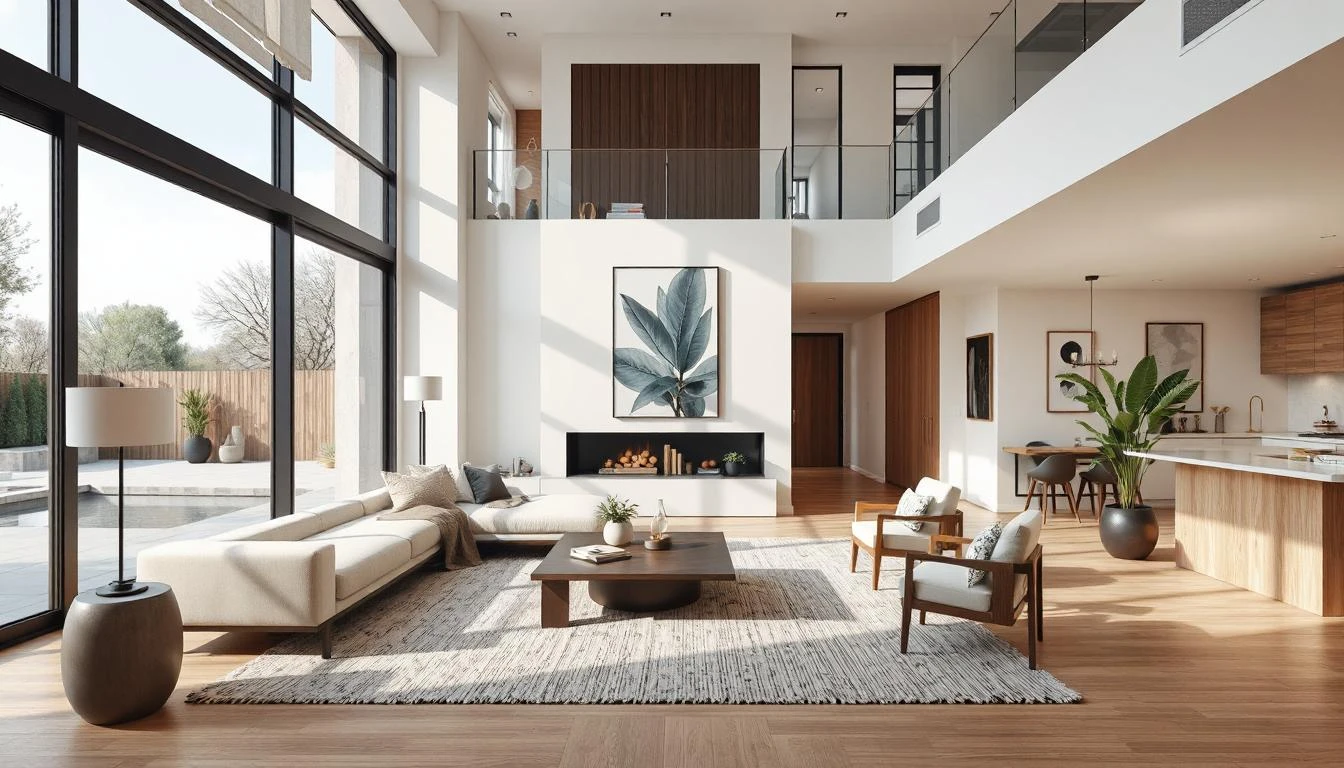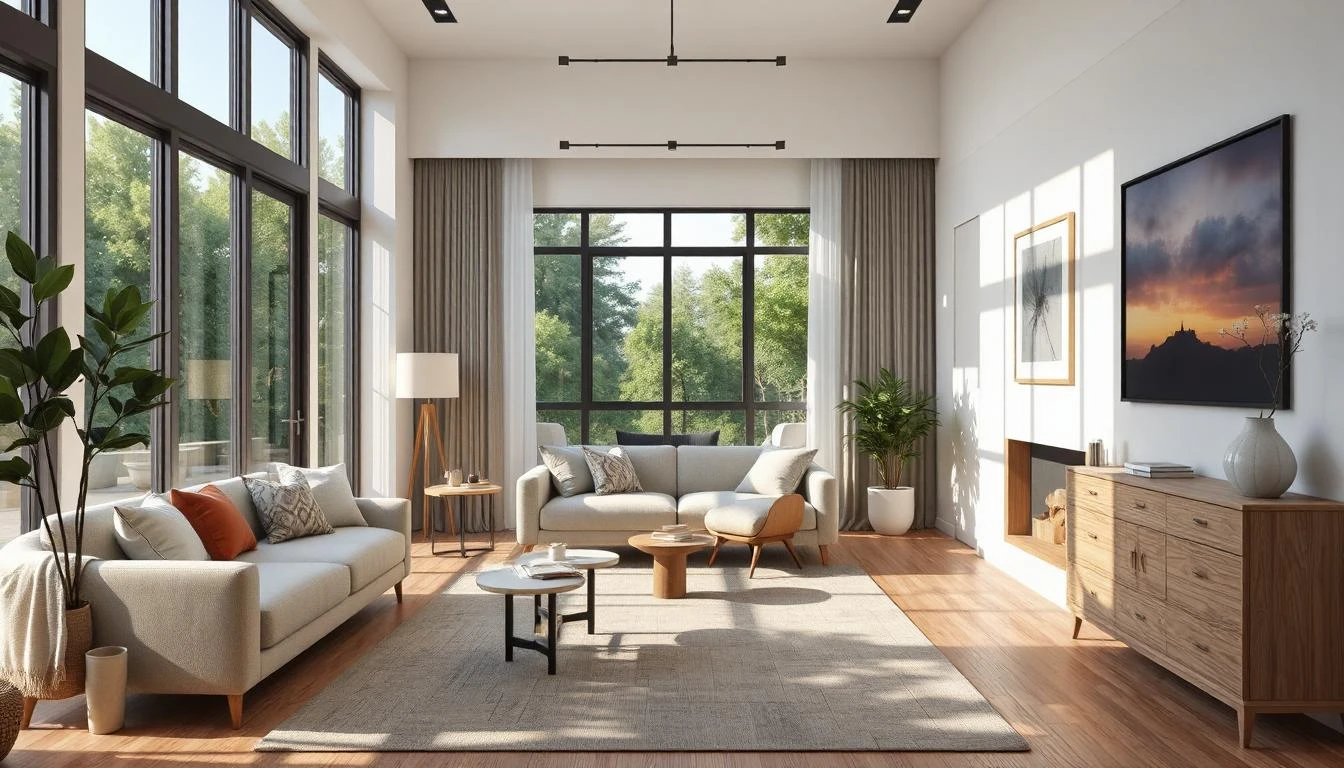
Interior Design Ideas For Modern Living
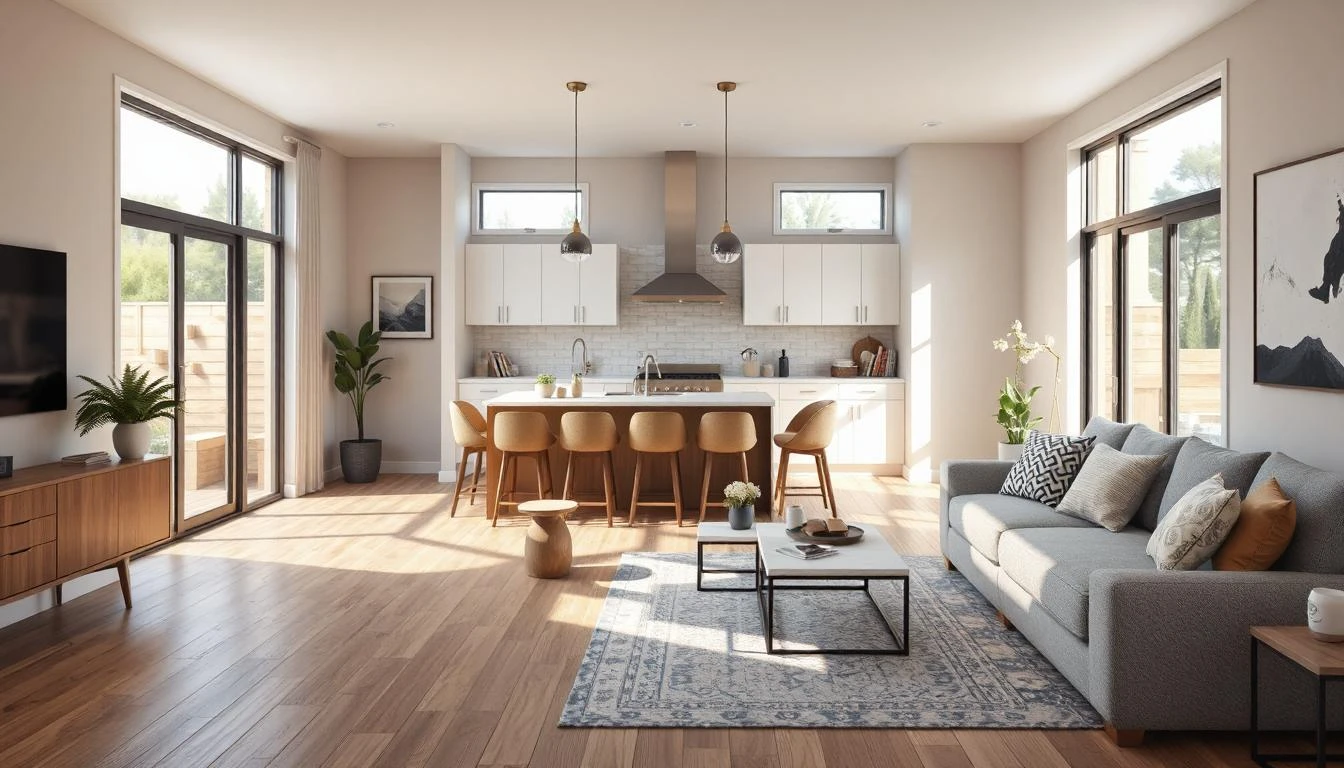
Design today is no longer just about filling a room with furniture. It is about shaping experiences, emotions, and daily comfort in ways that feel both personal and globally relevant. Across digital marketplaces and real-world showrooms, people are actively searching for inspiration that can transform ordinary spaces into meaningful environments that reflect identity and lifestyle. The demand for thoughtful, functional, and visually balanced homes continues to grow as modern living becomes more fast-paced and digitally connected.
In this evolving landscape, modern interior design has become a defining approach for homeowners who want clarity, comfort, and style in one unified concept. It blends aesthetics with functionality while adapting to global design trends that are constantly reshaped through online marketplaces and social inspiration platforms. This shift has made design more accessible, allowing anyone to curate stylish home interiors that feel both contemporary and deeply personal.
The Principles Of Modern Interior Design
Modern living spaces are shaped by principles that prioritize simplicity, function, and emotional balance. These principles are not just design rules, they are lifestyle choices that influence how people interact with their homes every day.
There is a growing global movement toward intentional living, where every object inside a space carries meaning or purpose. This shift reflects how modern interior design is no longer just visual styling but a deeper expression of how people want to live, breathe, and move within their environments.
Another important layer is the increasing influence of digital inspiration platforms and global marketplaces, where homeowners explore stylish home interiors through curated collections and real-time design trends. This accessibility has transformed how people understand space planning and aesthetic harmony.
Simplicity and functional living spaces
Simplicity is at the heart of modern design philosophy. Clean layouts, minimal clutter, and purposeful furniture create a sense of calm and efficiency. Functional spaces are designed to support daily routines without overwhelming the senses, making every corner of the home feel intentional and usable.
Balance between aesthetics and comfort
A visually appealing home must also feel comfortable. Soft textures, natural light, and ergonomic furniture ensure that beauty does not compromise usability. As interior designer Nate Berkus states, “Your home should tell the story of who you are.” This idea reinforces how emotional comfort is just as important as visual appeal.
Creating cohesive room layouts
Cohesion ensures that every room feels like part of a unified story. Color harmony, consistent materials, and thoughtful spatial planning help create flow throughout the home, making transitions between spaces feel natural and effortless.
Popular Interior Design Ideas Today
Modern design trends are heavily influenced by global lifestyles, sustainability awareness, and the rise of digital shopping platforms. These influences are reshaping how people interpret and apply design in their homes.
There is a strong shift toward adaptable spaces that reflect personal identity while staying aligned with global trends in modern interior design. Homes are becoming more flexible, multifunctional, and emotionally expressive than ever before.
At the same time, the growing demand for stylish home interiors is driving innovation in furniture design, material selection, and spatial creativity across international marketplaces.
Minimalist and contemporary design styles
Minimalism focuses on clarity, simplicity, and reduced visual noise. Contemporary design, on the other hand, allows more fluidity and experimentation, making it ideal for homeowners who want evolving aesthetics without losing structure.
Natural materials and sustainable decor
Sustainability plays a central role in modern interiors. Wood, stone, bamboo, and recycled materials are widely used to create eco-conscious living spaces that feel warm and grounded. This approach connects design with environmental responsibility.
Multifunctional furniture for modern homes
Urban living requires smart solutions. Furniture that adapts, such as foldable tables or storage-integrated sofas, maximizes small spaces while maintaining style and practicality.
To stay competitive in digital search rankings, content about interior design should focus on intent-driven optimization. This includes using long-tail keywords like “affordable modern interior design ideas for small apartments” and ensuring content reflects real user questions and lifestyle needs.
Tips For Designing Stylish Living Spaces
Designing a home is a personal journey that blends creativity with structure. The right choices can transform any space into a balanced and visually engaging environment.
The evolution of modern interior design shows that people are now prioritizing emotional connection within their homes, not just aesthetics. This shift is influencing how materials, lighting, and layouts are chosen in both small apartments and large homes.
Global marketplaces have also expanded access to stylish home interiors, making it easier for individuals to experiment with textures, colors, and decorative elements that once felt exclusive to professional designers.
Choosing color palettes and textures
Color psychology plays a major role in shaping mood. Neutral tones create calmness, while bold accents add personality. Textures like linen, velvet, and raw wood add depth and tactile richness to interiors.
Using lighting to enhance interiors
Lighting defines atmosphere. Natural light brings openness, while layered artificial lighting creates dimension and focus. A well-lit space feels larger, warmer, and more inviting.
Personalizing spaces with decorative elements
Personal touches such as artwork, handmade decor, and cultural objects bring authenticity into a home. These elements reflect identity and create emotional resonance within a space.
As designer Kelly Wearstler explains, “Design is about making people feel something the moment they enter a space.” This highlights how emotional experience is central to modern interiors.
Create Beautiful Homes With Modern Interior Design
The future of home design is shaped by flexibility, personalization, and global inspiration. People are no longer limited to local trends; instead, they are influenced by worldwide marketplaces and digital design ecosystems that continuously evolve.
This makes modern interior design a dynamic field where creativity meets functionality, allowing homes to become reflections of personal identity while maintaining global relevance. The rise of stylish home interiors shows that beauty and practicality can coexist seamlessly when guided by thoughtful design principles.
A home is no longer just a physical structure, it is an evolving environment that responds to lifestyle changes and emotional needs. As you explore design possibilities, you begin to see how even small adjustments can completely transform how a space feels and functions.
“The spaces we live in shape the way we think, feel, and act,” says architect John Pawson, emphasizing the deep connection between environment and human experience.